
The Nineteen Nineties
Nov 29, 2010 - by Staff
Nov 29, 2010 - by Staff
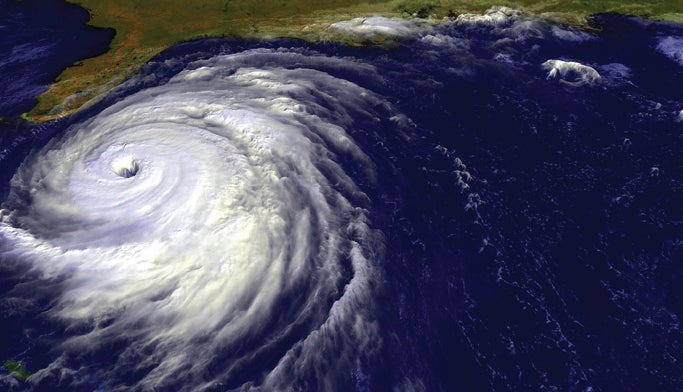
A string of fierce hurricanes that battered the U.S. coast in the 1990s included Fran in 1996.
(Photo courtesy NASA-GSFC, data from NOAA GOES.)
Download this chapter as a PDF
UCAR coordinates logistics for the Tropical Ocean and Global Atmosphere program's Coupled Ocean-Atmosphere Response Experiment (TOGA COARE), a massive study centered on the world's warmest patch of ocean. (Photo courtesy NOAA.)
NCAR collaborates with French and Congolese scientists on the Experiment for Regional Sources and Sinks of Oxidants (EXPRESSO), one of the world's most intensive studies of tropical air chemistry
After seven years of work, a team at NCAR and the National Centers for Environmental Prediction, led by NCAR's Roy Jenne, releases a unique archive of 50 years of global weather data.
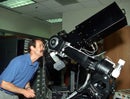
NCAR's Timothy Brown and colleagues announce the discovery of multiple planets around a Sun-like star, their presence inferred from asteroseismic data.
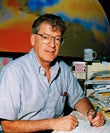
A year after a record-breaking El Niño boosts global temperatures to a new high, NCAR's Michael Glantz organizes the world's first summit devoted to El Niño's counterpart, La Niña.
Scientists in the UCAR community found themselves on the front lines of the cyber revolution that stormed the world in the 1990s. Many UCAR universities were early adopters of the World Wide Web, a technology well suited to a science that thrives on distributed data and collaboration. The opening of the Global Positioning System to civilian use paved the way for newly precise weather instruments.  These tools arrived just as atmospheric research faced a sobering set of challenges. Global temperatures hit new highs, as did public and political concern about climate change. NCAR rose to the task with a comprehensive and innovative global model of the climate “system”—the atmosphere as well as the oceans, land, and ice beneath it. Many other lines of research and education blossomed as the demand for NCAR science and UCAR services continued to grow. A new category of UCAR membership entrained schools with a focus on undergraduate teaching, and several initiatives boosted UCAR’s role in K–12 education and science literacy. The Foothills Laboratory complex in northeast Boulder was added in 1990, while the Mesa Laboratory drew thousands of public visitors to its enhanced exhibits and special events.

The quest to understand turbulence >