-
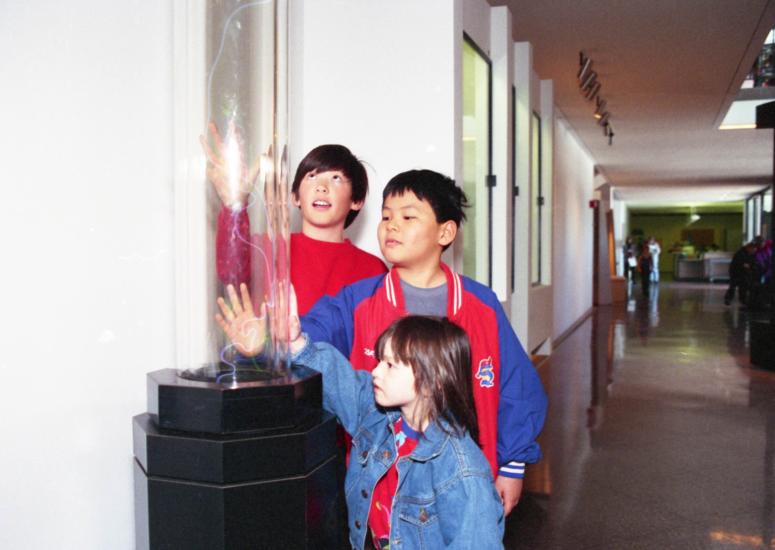
Super Science Saturday celebrates 30 years
Rain, snow, or shine, Super Science Saturday has happened annually since 1996 – even pivoting to virtual celebrations during the pandemic. On Saturday, November 7, Super Science Saturday will celebrate its 30th anniversary with a space voyage theme: 30 years of going boldly. Families are invited to join the celebration at the U.S. National Science Foundation National Center for Atmospheric Research (NSF NCAR) Mesa Lab in Boulder from 10 a.m. to 4 p.m. for hands-on activities, demonstrations, and the NSF NCAR Wizard Show.
- Education + Outreach
-
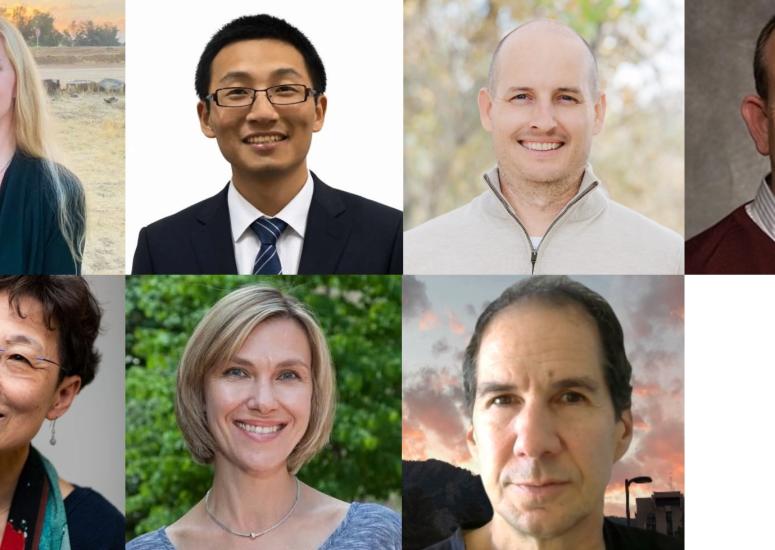
UCAR and NSF NCAR researchers honored by AMS and AGU
Seven researchers at the U.S. National Science Foundation National Center for Atmospheric Research (NSF NCAR) and the University Corporation for Atmospheric Research (UCAR) have been recognized with fellowships and awards from two prestigious Earth and space science organizations.
- Organization
-
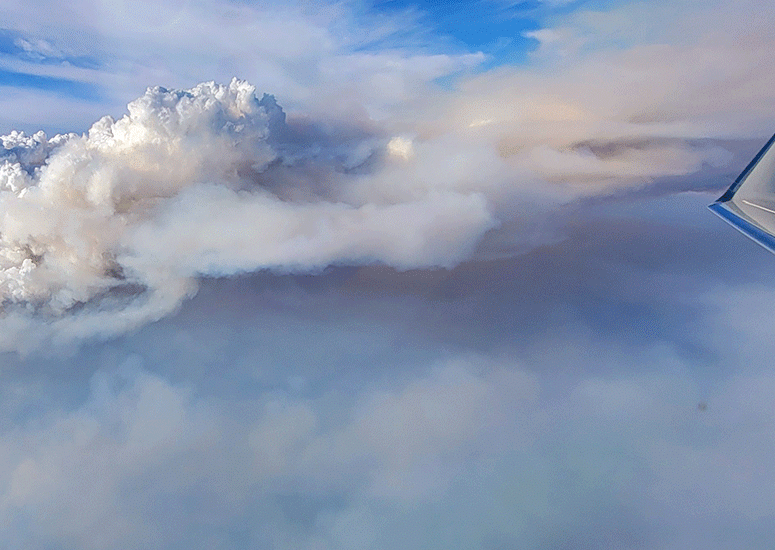
Gathering rare airborne observations of firestorm clouds
The INSPYRE field campaign gathers rare data on wildfire-fueled pyrocumulonimbus storms.
- Weather
-
UCAR members elect four new trustees
Four new trustees have been elected to the University Corporation for Atmospheric Research (UCAR) Board at the organization’s Annual Members Meeting. UCAR also welcomed back The Ohio State University as a member institution to its consortium of colleges and universities.
- Organization
-
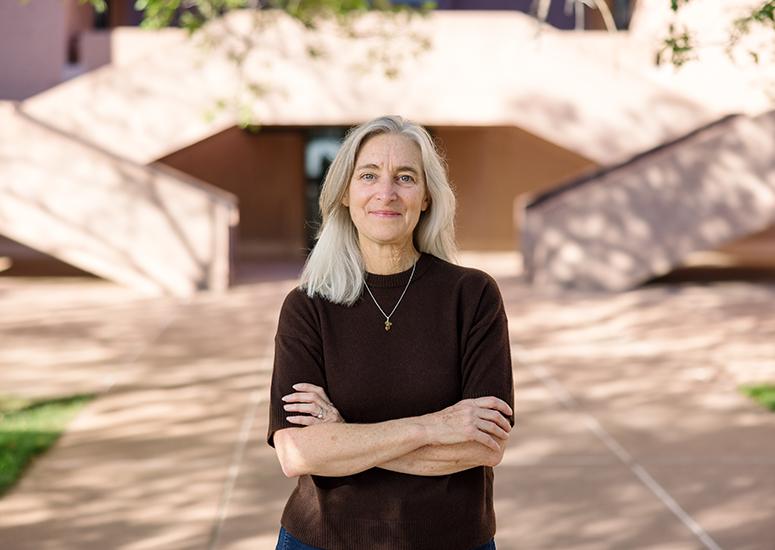
NSF NCAR scientist Marika Holland named a MacArthur Fellow
These prestigious awards are given to extraordinarily talented and creative individuals as an investment in their potential.
- Organization