
-
Forward into the past
The 1970s brought the United States a string of fierce winters and a spate of speculation on a cooling climate. Many atmospheric scientists had a different worry: they knew that carbon dioxide in the air had been increasing for decades and that global temperatures should rise before long.
-
GATE: Fieldwork goes international
When scientists around the world began planning the most ambitious weather observing study in history, NCAR was a natural partner.
-
Ozone and the lack of it
Rarely before the 1980s did a scientific issue jump from the corridors of research to the halls of international diplomacy in less than a decade. Such was the case when a profound threat to the Antarctic’s protective layer of stratospheric ozone became apparent.
-
What makes a tornado?
The biggest swarm of tornadoes ever recorded—148 in all—rumbled across the U.S. Midwest and South on 3–4 April 1974.
-
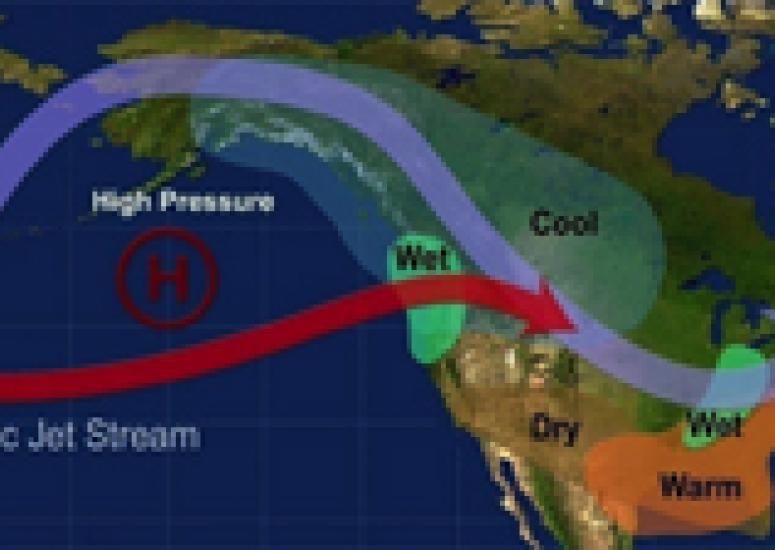
Where it's wintry and where it's not: La Niña at the helm
The periodic cooling of the eastern tropical Pacific Ocean helps bring rain to Alaska and blizzards to Colorado.
- Climate