
Tag: Societal Impacts
-

Hot new dataset focuses on human health
Heat stress is a leading cause of weather-related deaths and can be especially dangerous in cities where phenomena like urban heat islands drive temperatures higher than surrounding rural areas. Now a new dataset developed by the U.S. National Science Foundation National Center for Atmospheric Research (NSF NCAR) aims to provide city governments and health officials with information that could minimize heat impacts on residents.
- Weather
-
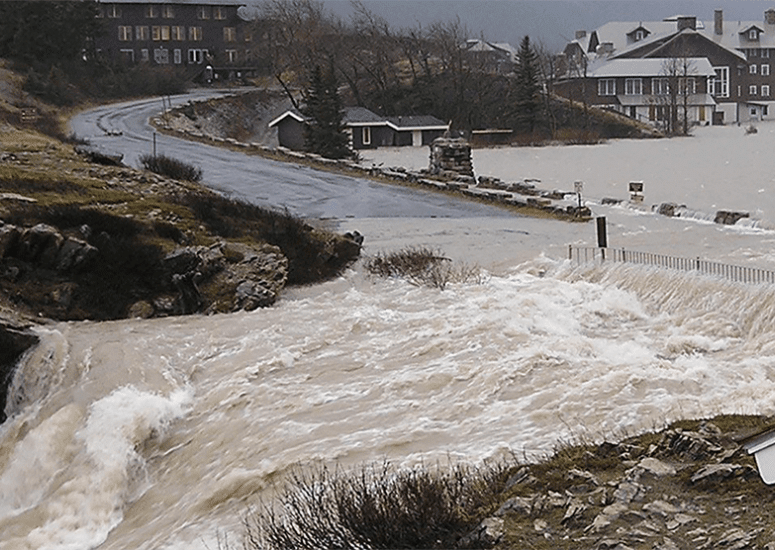
Helping the national parks weather future storms
Scientists are working to identify future weather changes at national parks.
- Weather
-
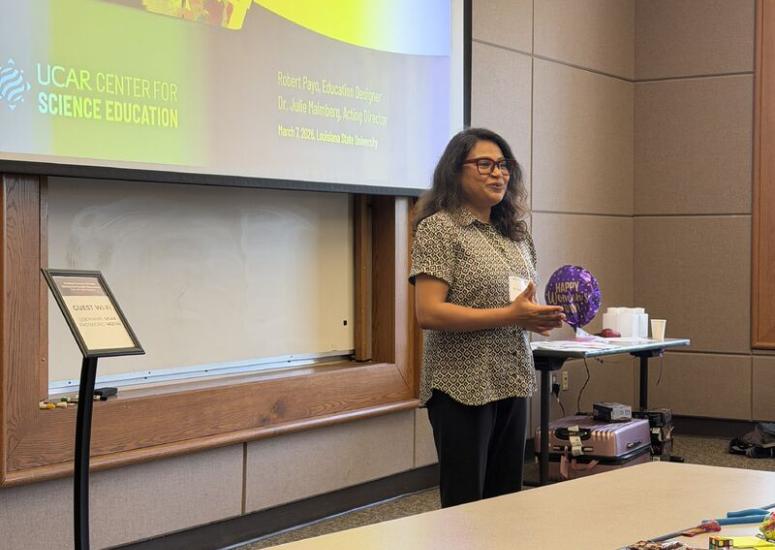
Severe weather preparedness project LAUNCHes at Louisiana State University
Over the last year, researchers at the U.S. National Science Foundation National Center for Atmospheric Research (NSF NCAR) and Louisiana State University (LSU) partnered on a project to enhance disaster preparedness, mitigation, and resilience to weather hazards in the Gulf Coast – an area that is vulnerable to multiple types of severe weather including hurricanes, flooding, and extreme heat.
- Education + Outreach
-
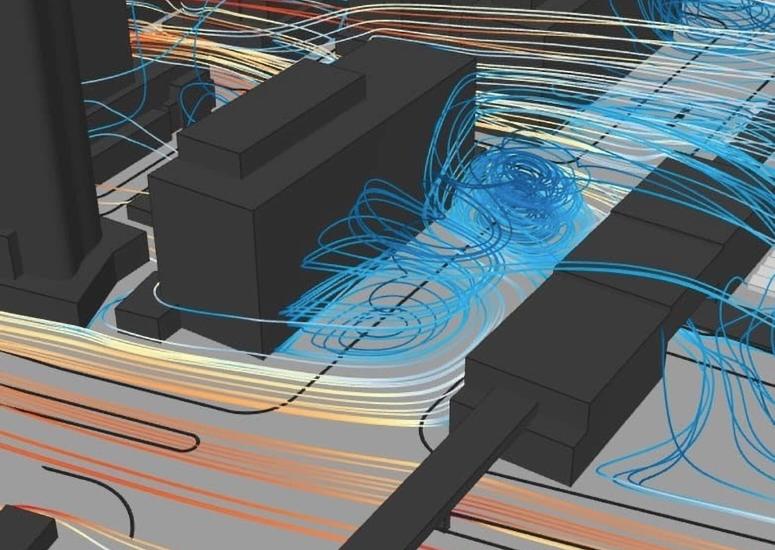
Hyperlocal wind forecasts are on the horizon
Wind is the driving force behind many damaging weather phenomena. It can fan the flames of wildfires, topple trees onto powerlines, and cause dangerous conditions for aircraft during takeoffs and landings. NSF NCAR researchers are working on a major new project to predict these small-scale wind events that have major impacts on society.
- Weather
-
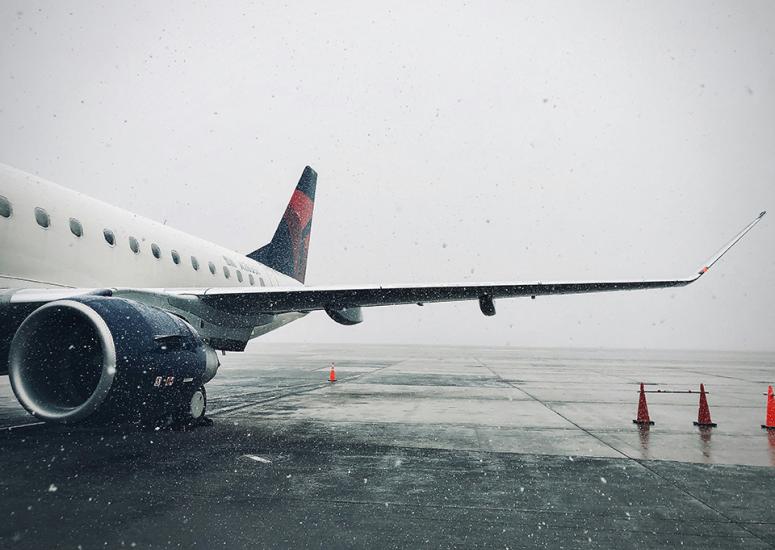
New aviation weather system improves US air travel efficiency and safety
Covering the contiguous United States, the new Domestic Aviation Forecast System (DAFS) generates more detailed forecasts of evolving icing and turbulence risks, giving pilots real-time intelligence about changing weather conditions along their flight path. NSF NCAR researchers led the scientific development of the icing and turbulence capabilities for this system.
- Weather