
-
Unmasking a meteorological villain
Intrigued by an atmospheric mystery bringing down aircraft, a small group of scientists at NCAR embarked on a series of field studies from the late 1970s through the 1980s.
-
Ozone and the lack of it
Rarely before the 1980s did a scientific issue jump from the corridors of research to the halls of international diplomacy in less than a decade. Such was the case when a profound threat to the Antarctic’s protective layer of stratospheric ozone became apparent.
-
What makes a tornado?
The biggest swarm of tornadoes ever recorded—148 in all—rumbled across the U.S. Midwest and South on 3–4 April 1974.
-
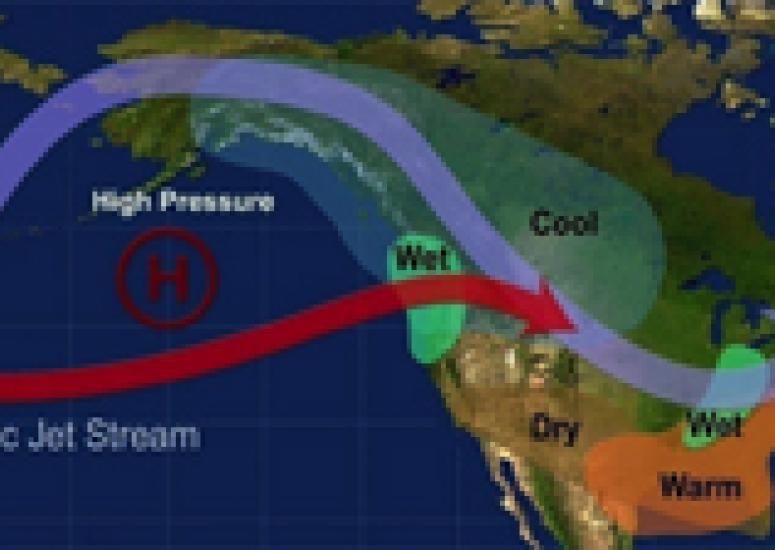
Where it's wintry and where it's not: La Niña at the helm
The periodic cooling of the eastern tropical Pacific Ocean helps bring rain to Alaska and blizzards to Colorado.
- Climate
-
The Nineteen Eighties
Atmosphere and society intertwined in new ways during the 1980s, as a host of threats from acid rain to microbursts came into focus. With extensive ties to universities and expertise in both weather and climate, NCAR and UCAR were natural venues for addressing these issues.