
-
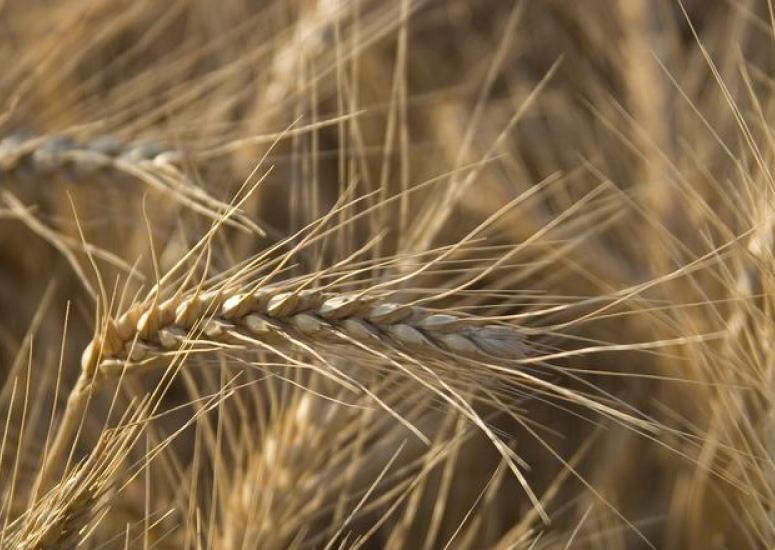
Climate experts estimate risk of rapid crop slowdown
The world faces a small but substantially increased risk over the next two decades of a major slowdown in the growth of global yields of corn and wheat because of warming temperatures.
- Climate
-
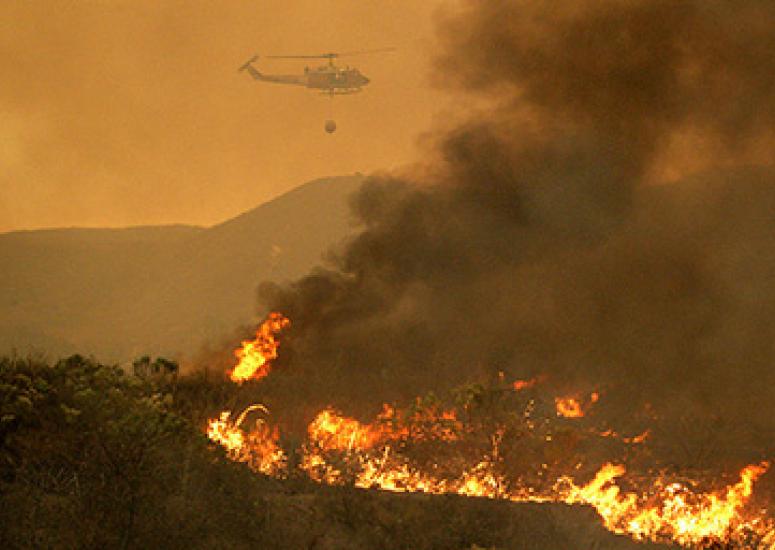
Pollution, wildfires, and a warming California
California will likely experience more large fires in forested areas this century because of rising temperatures and changes in precipitation along with development patterns, new research finds. The blazes could increase some types of fire-generated air pollution by more than half.
- Climate,
- Air Quality
-
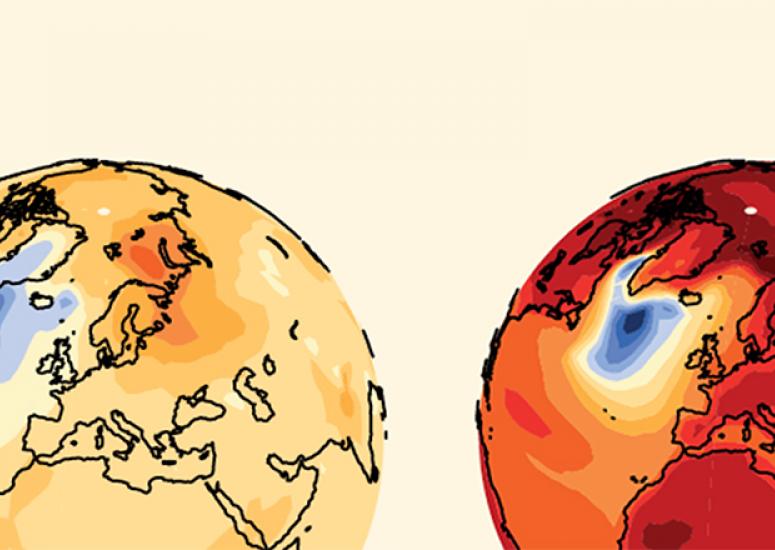
A deeper dive into 21st-century climate
Researchers are finding new ways to work with aspects of climate change that are surprisingly linear, an approach that could help save time and money in future climate research while providing a richer range of information to help guide policy.
- Climate
-
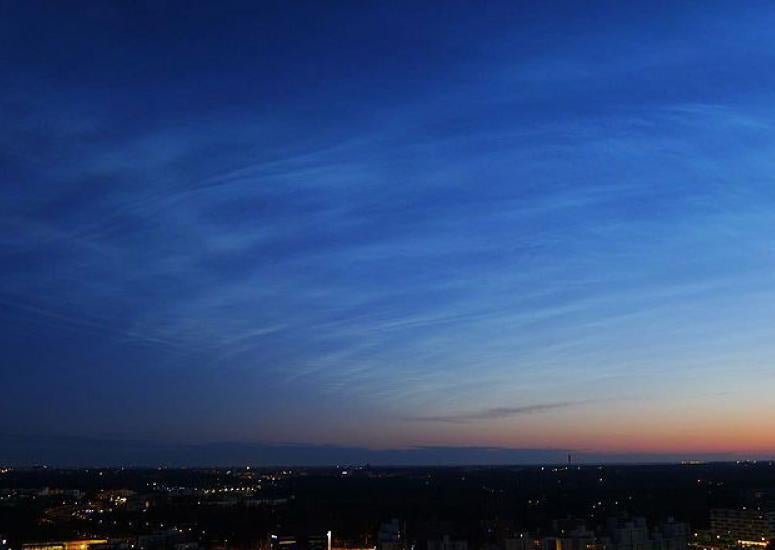
In search of 60-mile-high waves
A field project this June and July will study gravity waves, towering atmospheric features little-known to the public. Novel instruments to be deployed for the international DEEPWAVE project, based in New Zealand, will provide an unprecedented view of gravity waves, a major shaper of atmospheric variability at multiple heights.
- Climate,
- Weather
-
El Niño’s high-altitude highway
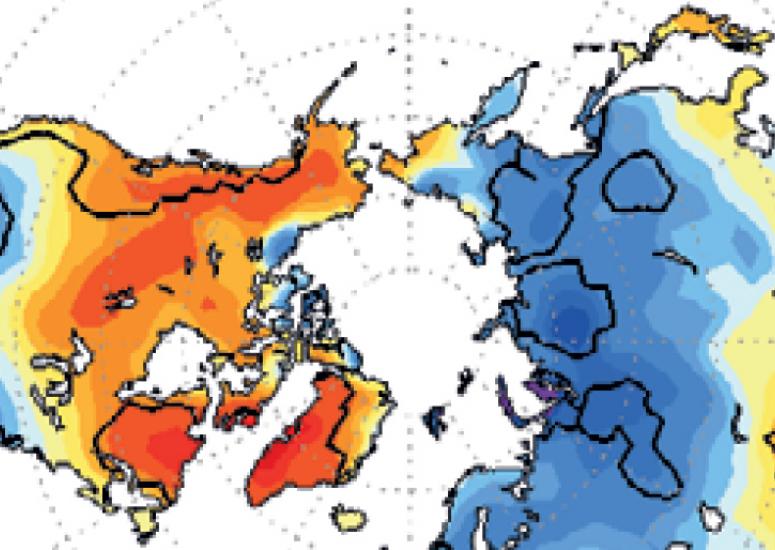
El Niño exerts its global impact through two different atmospheric pathways, one located miles above the other—a finding that may help bolster regional climate prediction.
- Climate