Tag: Observing
-
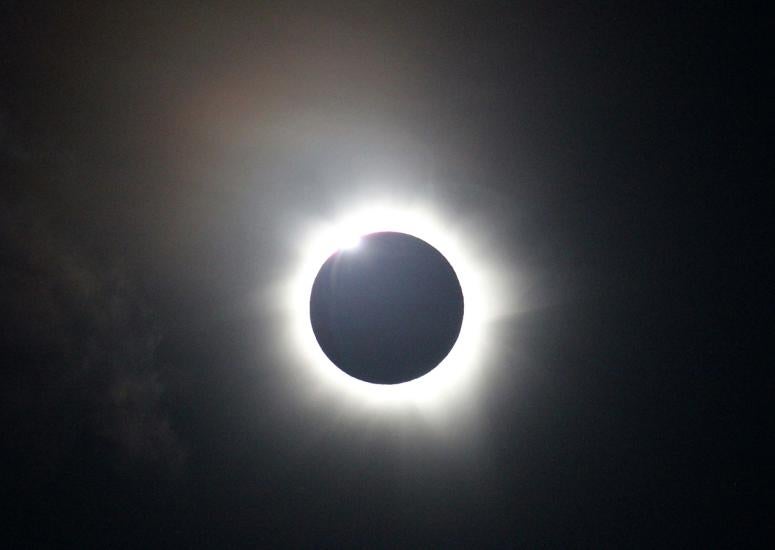
Total eclipse: celestial wonder and scientific opportunity
As the April 8, 2024 total eclipse approaches, scientists and staff with the U.S. National Science Foundation National Center for Atmospheric Research (NSF NCAR) are preparing a variety of experiments and outreach projects to further our knowledge of the Sun and engage various communities in observing and understanding this extraordinary and rare event.
- Sun + Space Weather
-

Flying into the cold unknown
Typically, pilots avoid flying where icing conditions can occur, but researchers are flying into extremely cold weather in order to study an Arctic phenomenon known as marine cold air outbreaks (CAOs). CAOs and the clouds they generate may have far-reaching climate impacts and scientists are hoping to understand more about the role they are playing in the rapid warming of the Arctic.
- Climate
-
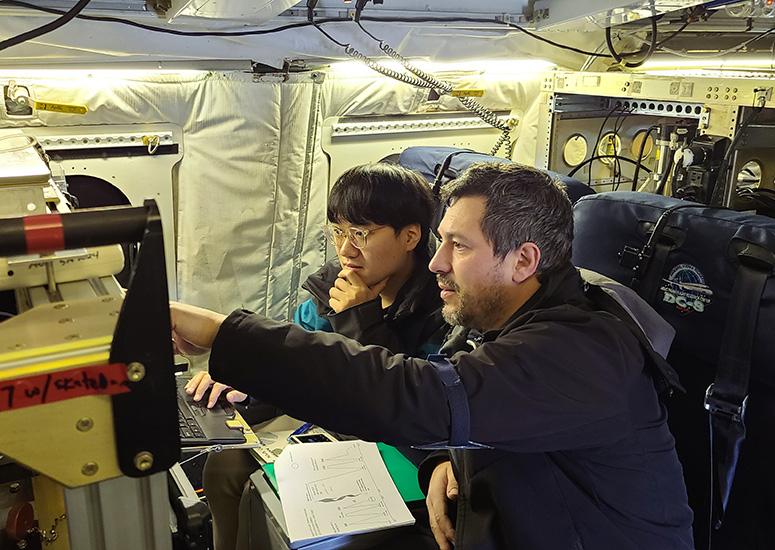
NSF NCAR scientists participate in mission to measure air quality over Asia
Scientists from the U.S. National Science Foundation National Center for Atmospheric Research (NSF NCAR) have begun a four-country deployment focused on obtaining airborne observations of air quality over some of Asia’s largest cities.
- Air Quality
-

Northern tropical Africa not the significant carbon source satellite data suggests
The forests and grasslands of northern tropical Africa take in about as much carbon dioxide in the wet season as they release in the dry season, according to a new study based on observations from aircraft. The findings contradict earlier research that relied on satellite data and found that these ecosystems may be adding significantly more carbon to the atmosphere than they absorb over the course of a year.
- Air Quality,
- Climate
-
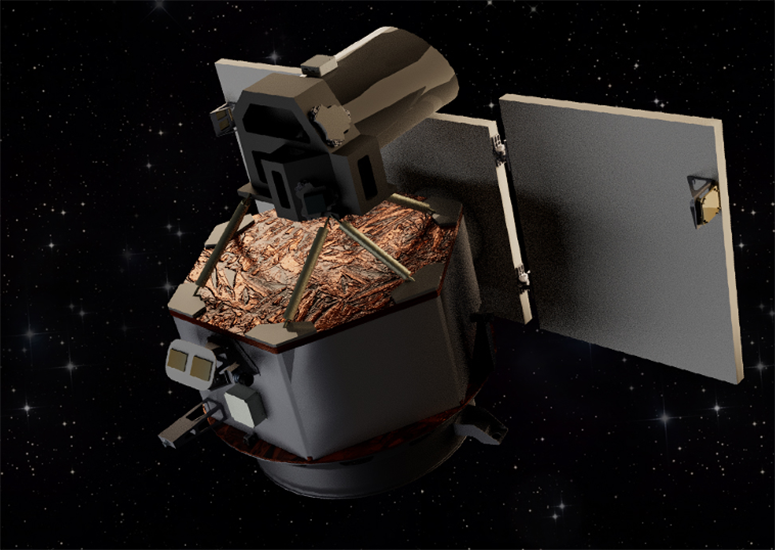
Shining light on a solar blindspot
A proposal for a spacecraft that would take a fresh look at the Sun — enabling a never-before-seen view of our star’s magnetic field — has received $2 million in funding from NASA for further study.
- Sun + Space Weather