
-
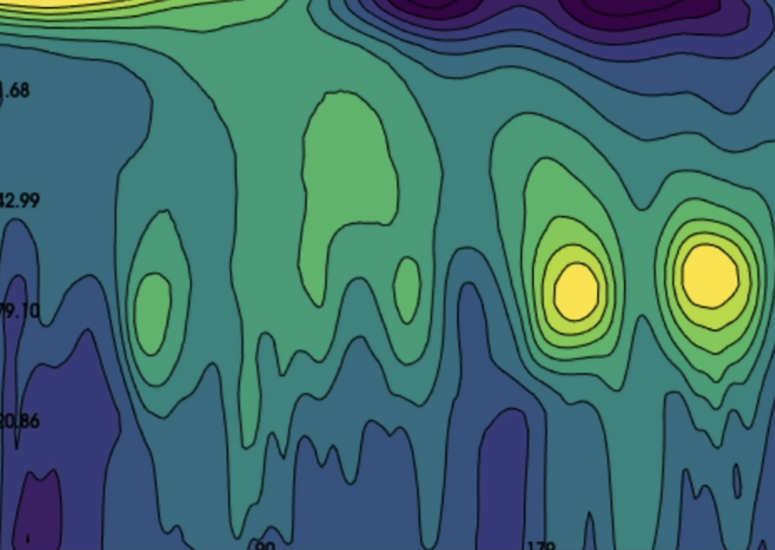
Scientists build up CREDIT for AI research
The next generation of CREDIT improves on the original platform in significant ways: it streamlines the user experience with a more modular, building-blocks approach that includes better user documentation; it reduces time delays in running the system; and it introduces more physics to keep the AI model outputs as realistic as possible.
- Supercomputing + AI,
- Weather
-
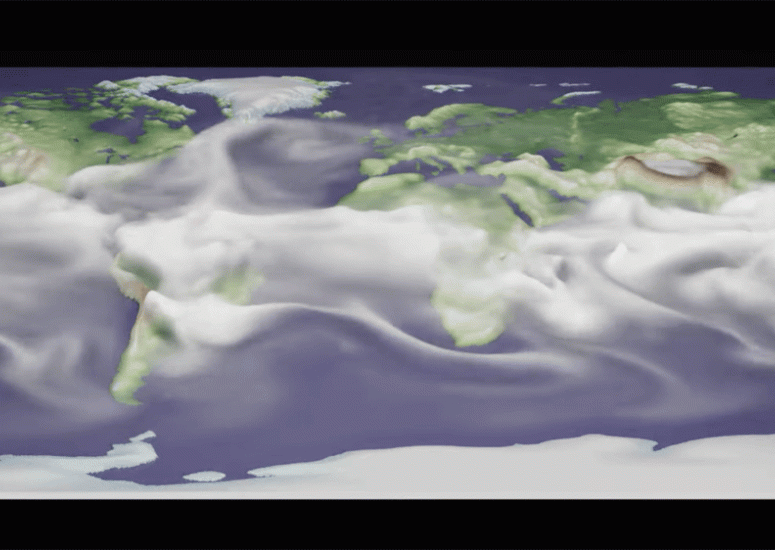
“An extraordinary success”
Before its retirement last month, the Cheyenne supercomputer helped advance knowledge into virtually every aspect of Earth system science.
- Supercomputing + AI
-
2023 year in review
The research coming out of the U.S. National Science Foundation National Center for Atmospheric Research (NSF NCAR) in 2023 ranged from fascinating to impactful. From La Niñas and El Niños to supercomputers named after wind and the impacts of literal wind, here are the highlights of NSF NCAR’s top science stories from the past year.
- Sun + Space Weather,
- Supercomputing + AI,
- Water,
- Weather
-

Thomas Hauser named director of NCAR’s Computational & Information Systems Laboratory
Thomas Hauser has been named director of the Computational & Information Systems Laboratory (CISL) at the National Center for Atmospheric Research (NCAR).
- Data,
- Organization,
- Supercomputing + AI
-
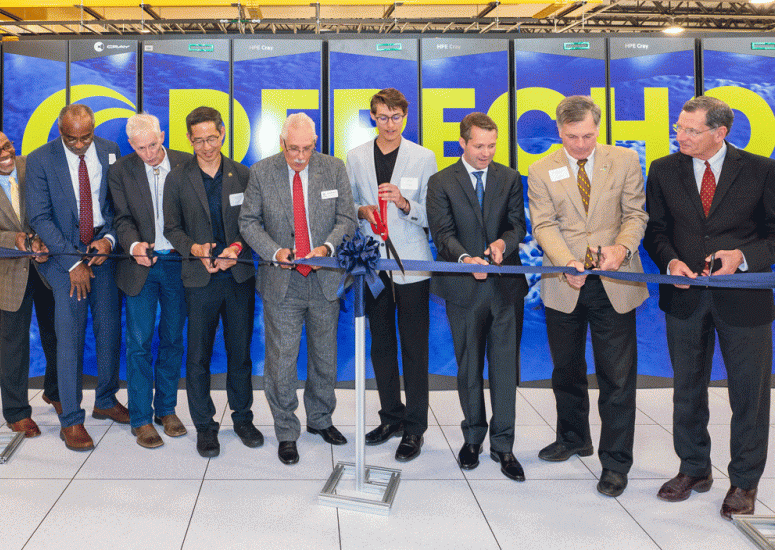
Officials inaugurate new NWSC supercomputer
Political, science, academic, and business leaders formally inaugurated the new Derecho supercomputer at the NCAR-Wyoming Supercomputing Center (NWSC)
- Supercomputing + AI