
-
Pieternel Levelt appointed as a foreign member of the Royal Holland Society of Sciences and Humanities
Levelt leads NSF NCAR’s Atmospheric Chemistry Observations and Modeling Laboratory (ACOM). As a foreign member, she joins a distinguished group of international scholars and societal leaders chosen for their outstanding contributions to science and their commitment to the society’s mission of "advancing science and serving society."
- Air Quality
-
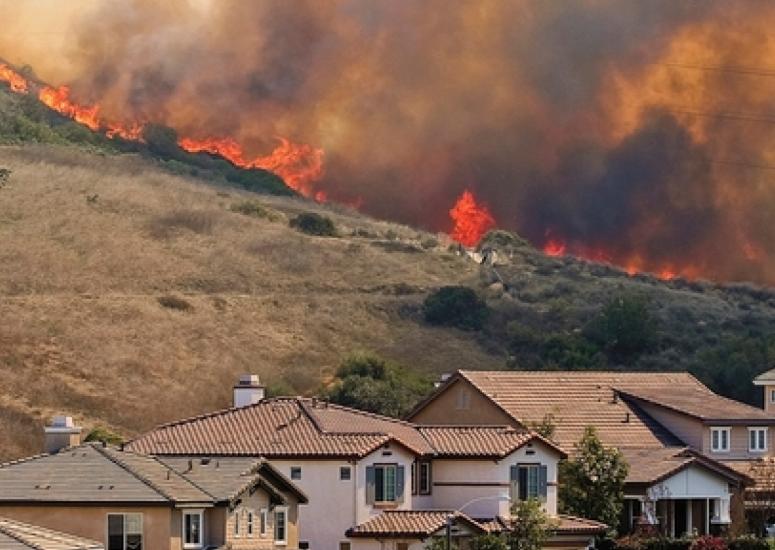
Wildfires that burn buildings create significantly more air pollution
WUI fires are becoming increasingly more common in the U.S. and have destroyed more than 100,000 homes since 2005. Because these events are intensely concentrated both in time and space, they can produce exceptionally high local pollution, which has important implications for the air quality and public health of nearby urban areas.
- Air Quality
-
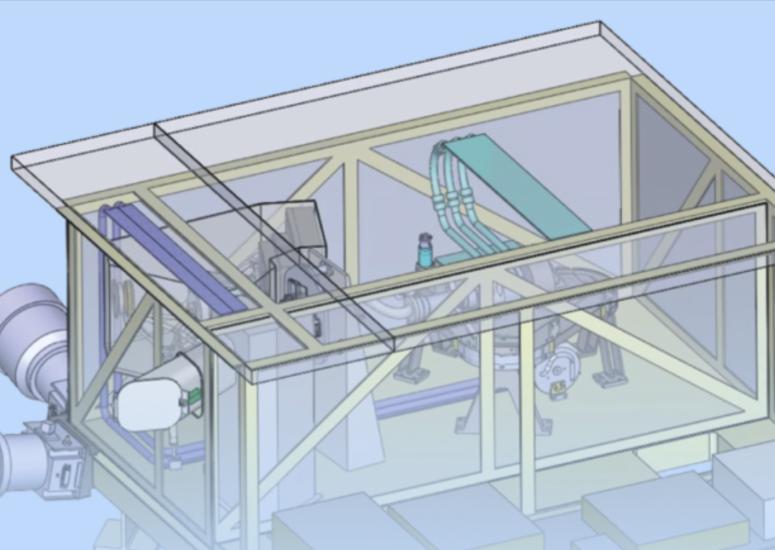
NASA selects STRIVE explorer for next phase
NASA has selected The Stratosphere Troposphere Response using Infrared Vertically-resolved light Explorer (STRIVE) to move to the next phase of development. Two researchers at the U.S. National Science Foundation National Center for Atmospheric Research (NSF NCAR) contributed to the project.
- Air Quality
-

Taking to the skies to track urban air quality
This past summer, if New Yorkers looked up from the hustle and bustle of urban life, they may have spotted a C-130 research aircraft flying above the skyscrapers. The plane was doing research flights over the tri-state area to collect data on urban air quality for a scientific research field campaign called GOTHAAM. No classic villains or superheroes here, just researchers studying the composition of the air in both the light and dark of the New York metro area.
- Air Quality
-

Study shows Tijuana River water pollutes the air
Newly published research indicates that poor water quality can drastically affect air quality—an observation with important implications for global waterways.
- Air Quality,
- Water