
-
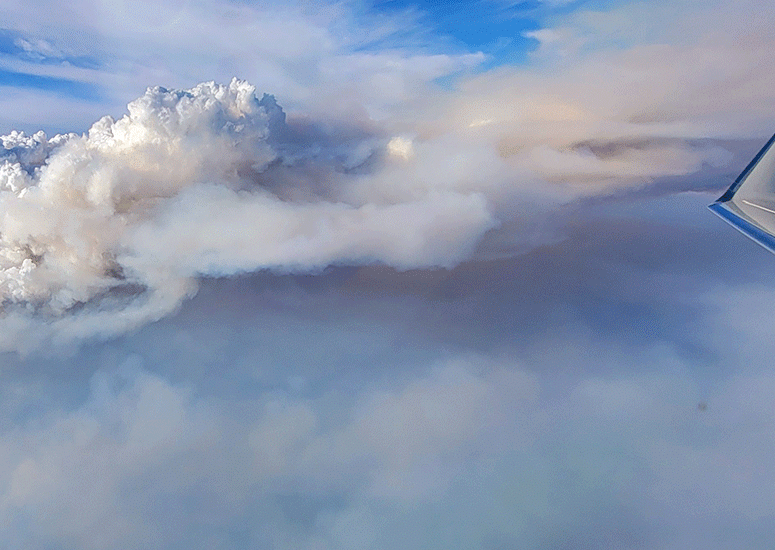
Gathering rare airborne observations of firestorm clouds
The INSPYRE field campaign gathers rare data on wildfire-fueled pyrocumulonimbus storms.
- Weather
-

Hot new dataset focuses on human health
Heat stress is a leading cause of weather-related deaths and can be especially dangerous in cities where phenomena like urban heat islands drive temperatures higher than surrounding rural areas. Now a new dataset developed by the U.S. National Science Foundation National Center for Atmospheric Research (NSF NCAR) aims to provide city governments and health officials with information that could minimize heat impacts on residents.
- Weather
-

Prepare for takeoff into smoother skies
Turbulence can make a flight unpleasant or, in severe cases, dangerous. A turbulence avoidance tool created by researchers at the U.S. National Science Foundation National Center for Atmospheric Research (NSF NCAR) is making flights safer by providing pilots with information that can help them avoid turbulence in real time.
- Weather
-
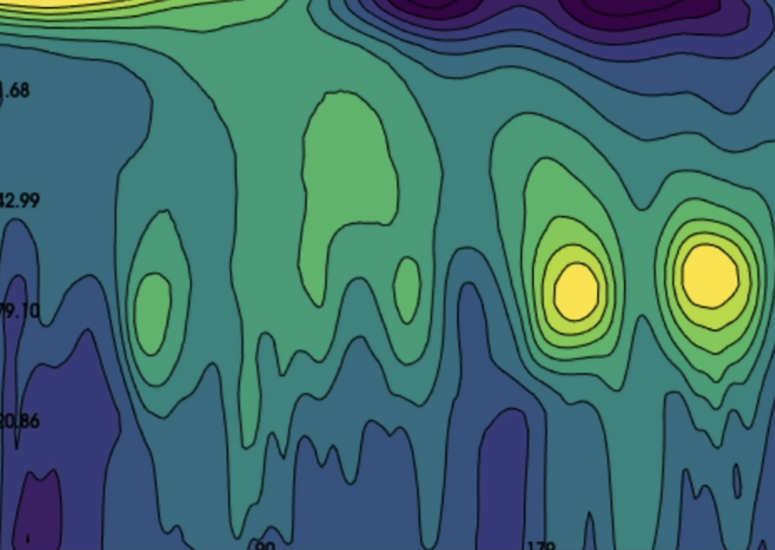
Scientists build up CREDIT for AI research
The next generation of CREDIT improves on the original platform in significant ways: it streamlines the user experience with a more modular, building-blocks approach that includes better user documentation; it reduces time delays in running the system; and it introduces more physics to keep the AI model outputs as realistic as possible.
- Supercomputing + AI,
- Weather
-
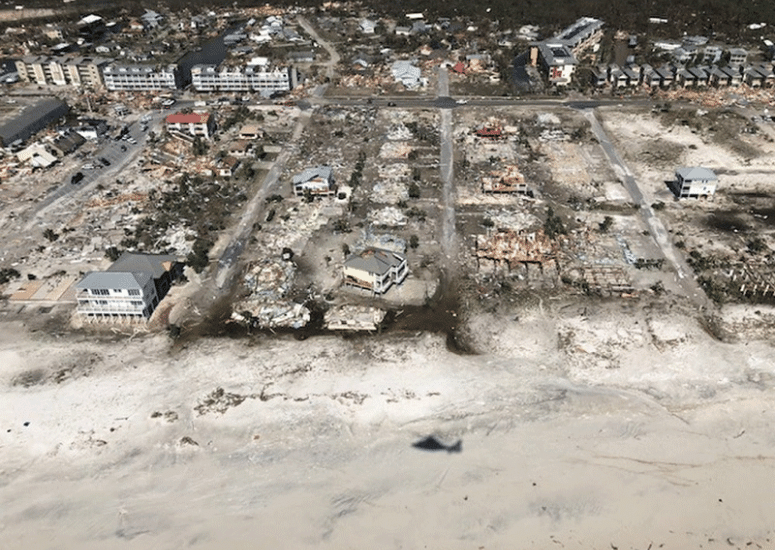
Predicting hurricane rapid intensification further in advance
Scientists develop method to predict the rapid intensification of hurricanes up to five days in advance.
- Weather