
-
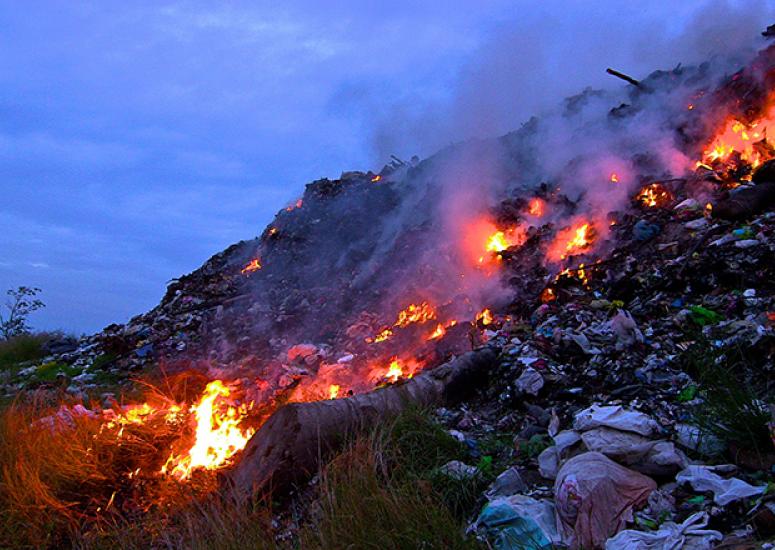
Trash burning worldwide significantly worsens air pollution
An estimated 40 percent of the world's waste is burned in unregulated fires, emitting pollutants that can harm human health and the environment.
- Air Quality
-
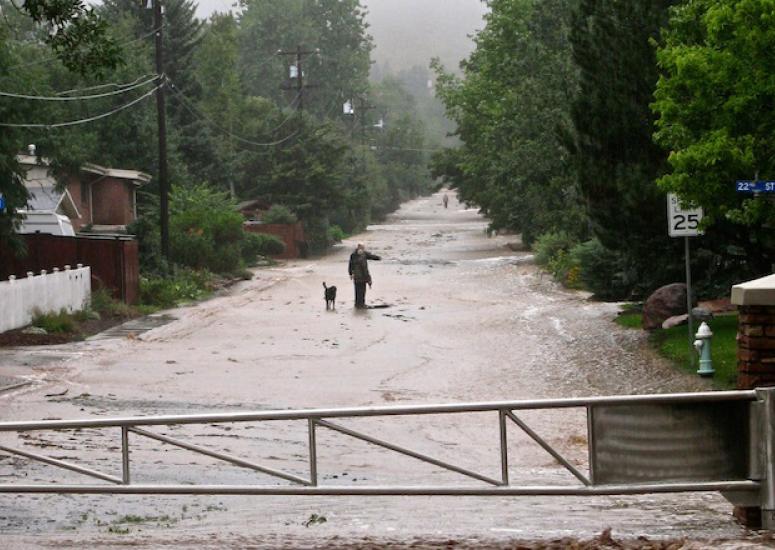
A new way to forecast floods
Almost a year after Colorado’s deadly and destructive floods of September 2013, a group of NCAR scientists has just completed testing an innovative new system for detecting and predicting torrential rainfall as well as the risk of local flooding.
- Weather
-
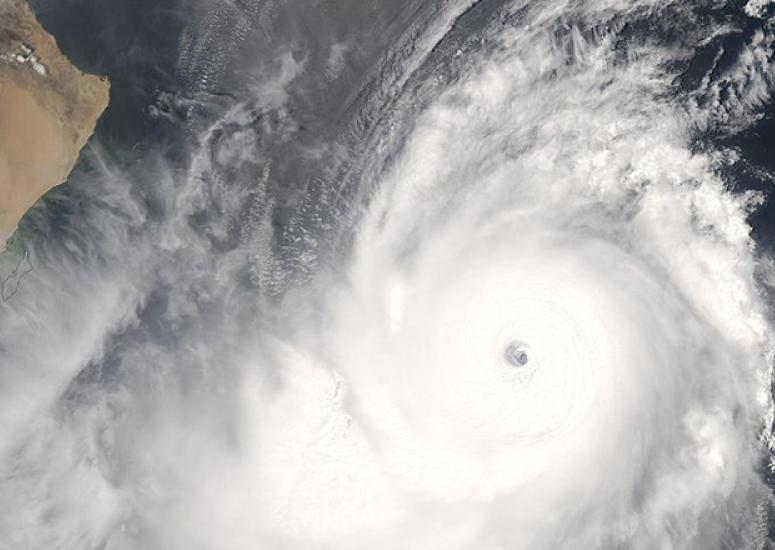
Using GPS to improve tropical cyclone forecasts
A case study indicates that the COSMIC microsatellite system can significantly improve predictions of tropical cyclones by using GPS radio occultation to observe remote regions of the atmosphere.
- Weather
-
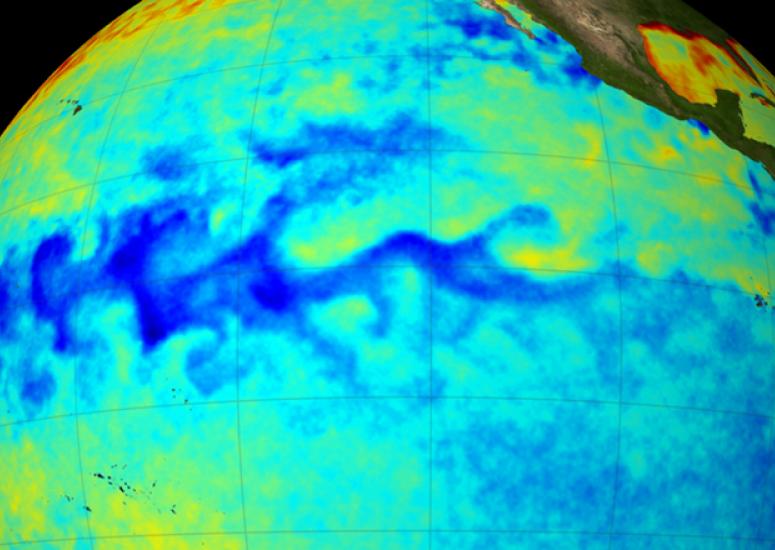
Why do La Niña events linger?
For millions of people, El Niño or La Niña indicates whether they’re likely to face unusually warm, cold, wet, or dry conditions over the coming winter. A new modeling study pins down the process that apparently determines why La Niña events often last twice as long as typical El Niño events—a result with major implications for seasonal predictions.
- Climate
-
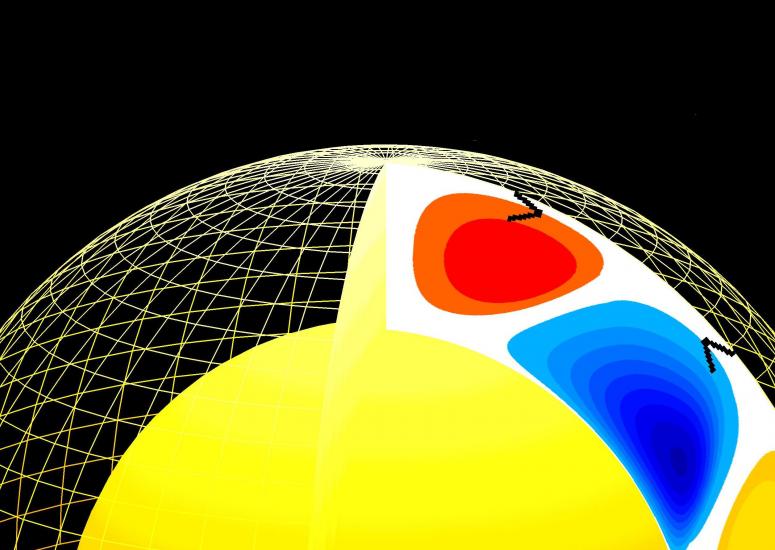
Next step toward predicting Sun’s cycles
A leading goal of solar scientists is to improve predictions of the Sun's approximately 11-year cycle. New research led by scientists from NCAR and Sweden shows how solar predictions can borrow from weather forecasting techniques in order to predict the timing and extent of the solar cycle.
- Sun + Space Weather