
-
Climate change where we live
Whether or not they could be definitively linked to a changing climate, weather crises in the first years of the 2000s added regional exclamation points to the global possibilities raised by modeling and theory. A relentless 2003 heat wave in normally temperate Europe took tens of thousands of lives.
-
Sea ice and hurricanes: Two big wins for seasonal prediction
Issuing a five-day weather forecast was once a daring enterprise. Today, we’re not only accustomed to long-range weather forecasts but also to seasonal-scale outlooks. Hurricanes and sea ice show how far we've come.
- Weather
-
Predicting the world's weather
Can a single family of models simulate the weather for Manhattan, Malaysia, and Mars? Thanks to a successful interagency collaboration, the answer is “yes.”
-
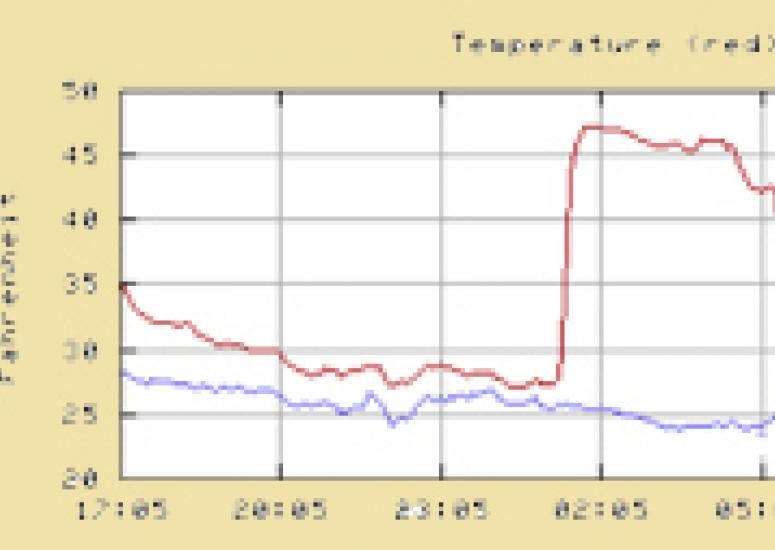
Boulder’s tempestuous temperatures
Huge temperature swings are well known to residents of the Front Range of Colorado, thanks to the arrival of sharp winter cold fronts as well as chinook-driven warm-ups.
- Education + Outreach
-
Virtually there
For NCAR’s Don Middleton, the uneasy days after 9/11 shed unexpected light on the transformative power of global connectivity. Middleton had been scheduled to attend a meeting on advanced collaboratories in Italy, but the event was cancelled.